|
|
|
|||||||||||||||||||||||||||||||||||||||||||||||||||||||||||||||||||||||||||||||||||||||||||||||||||
|
||||||||||||||||||||||||||||||||||||||||||||||||||||||||||||||||||||||||||||||||||||||||||||||||||||
|
|
|
|||||||||||||||||||||||||||||||||||||||||||||||||||||||||||||||||||||||||||||||||||||||||||||||||||
|
|
||||||||||||||||||||||||||||||||||||||||||||||||||||||||||||||||||||||||||||||||||||||||||||||||||||
|
|
|
|||||||||||||||||||||||||||||||||||||||||||||||||||||||||||||||||||||||||||||||||||||||||||||||||||
|
September 14, 2000 |
||||||||||||||||||||||||||||||||||||||||||||||||||||||||||||||||||||||||||||||||||||||||||||||||||||
|
|
||||||||||||||||||||||||||||||||||||||||||||||||||||||||||||||||||||||||||||||||||||||||||||||||||||
|
The Federation of Electric Power
Companies (FEPCO) has recently completed its third review of
the Environmental Action Plan of the Electric Power
Industry, which was formulated in November 1996. |
||||||||||||||||||||||||||||||||||||||||||||||||||||||||||||||||||||||||||||||||||||||||||||||||||||
|
|
|
|||||||||||||||||||||||||||||||||||||||||||||||||||||||||||||||||||||||||||||||||||||||||||||||||||
|
1. Increase in CO2 Emissions per Unit Power Output (Specific CO2 Emissions) Compared with Previous Fiscal Year |
||||||||||||||||||||||||||||||||||||||||||||||||||||||||||||||||||||||||||||||||||||||||||||||||||||
|
+ |
Japanユs electric power industry has set the goal of reducing the CO2 emissions per unit power output (specific CO2 emissions: the amount of CO2 gas emitted per kWh of electricity used by consumers) to about 20% below fiscal 1990 levels by fiscal 2010. The electric power companies are implementing various measures to achieve this goal. |
|||||||||||||||||||||||||||||||||||||||||||||||||||||||||||||||||||||||||||||||||||||||||||||||||||
|
[CO2 Gas Emissions] |
||||||||||||||||||||||||||||||||||||||||||||||||||||||||||||||||||||||||||||||||||||||||||||||||||||
|
||||||||||||||||||||||||||||||||||||||||||||||||||||||||||||||||||||||||||||||||||||||||||||||||||||
|
+ |
As a result of these efforts, consuming-end specific CO2 emissions was 0.37kg-CO2/kWh in fiscal 1999, representing a decrease of 0.05kg-CO2/kWh (-12%) compared with the base year of fiscal 1990. Compared with fiscal 1998, however, this value increased by approximately 0.01kg- CO2/kWh (+3%). |
|||||||||||||||||||||||||||||||||||||||||||||||||||||||||||||||||||||||||||||||||||||||||||||||||||
|
|
|
|||||||||||||||||||||||||||||||||||||||||||||||||||||||||||||||||||||||||||||||||||||||||||||||||||
|
+ |
Reasons for the general improvement compared with fiscal 1990 include increases in nuclear power plant capacity due to the siting of new nuclear power plants, and an improved utilization factor. The increase in the specific CO2 emissions between fiscal 1998 and fiscal 1999 can be traced to a 4-point decline in the utilization rate of nuclear power generating facilities. |
|||||||||||||||||||||||||||||||||||||||||||||||||||||||||||||||||||||||||||||||||||||||||||||||||||
|
|
|
|||||||||||||||||||||||||||||||||||||||||||||||||||||||||||||||||||||||||||||||||||||||||||||||||||
|
+ |
Specific CO2 emissions are expected to increase by approximately 8% between fiscal 1999 and fiscal 2005, primarily because the proportion of total electrical power generated by nuclear power plants is expected to decline from 35% in fiscal 1999 to 33% in fiscal 2005. |
|||||||||||||||||||||||||||||||||||||||||||||||||||||||||||||||||||||||||||||||||||||||||||||||||||
|
|
|
|||||||||||||||||||||||||||||||||||||||||||||||||||||||||||||||||||||||||||||||||||||||||||||||||||
|
||||||||||||||||||||||||||||||||||||||||||||||||||||||||||||||||||||||||||||||||||||||||||||||||||||
|
|
|
|||||||||||||||||||||||||||||||||||||||||||||||||||||||||||||||||||||||||||||||||||||||||||||||||||
|
2. Additional Measures Needed to Achieve Goals |
||||||||||||||||||||||||||||||||||||||||||||||||||||||||||||||||||||||||||||||||||||||||||||||||||||
|
+ |
Although it is becoming increasingly difficult to achieve the goals outlined in the Action Plan due to the long siting period for nuclear power plants, further measures must be taken to attain the goals. |
|||||||||||||||||||||||||||||||||||||||||||||||||||||||||||||||||||||||||||||||||||||||||||||||||||
|
|
|
|||||||||||||||||||||||||||||||||||||||||||||||||||||||||||||||||||||||||||||||||||||||||||||||||||
|
+ |
Specifically, the following steps are considered important: the further promotion of nuclear power generation; the further improvement of the efficiency of thermal power plants; the pursuit of studies on how to use thermal energy sources; and the application of the Kyoto Mechanisms. |
|||||||||||||||||||||||||||||||||||||||||||||||||||||||||||||||||||||||||||||||||||||||||||||||||||
|
|
|
|||||||||||||||||||||||||||||||||||||||||||||||||||||||||||||||||||||||||||||||||||||||||||||||||||
|
+ |
In the midst of these efforts, it is essential for nuclear power to continue to be promoted with the understanding of the Japanese people, premised on the assurance of safety. At the present time, uncertainty concerning the cost-effectiveness of the Kyoto Mechanisms is problematical. Another important issue is the need to reconcile these measures with the social demand for lower electricity rates. |
|||||||||||||||||||||||||||||||||||||||||||||||||||||||||||||||||||||||||||||||||||||||||||||||||||
|
|
|
|||||||||||||||||||||||||||||||||||||||||||||||||||||||||||||||||||||||||||||||||||||||||||||||||||
|
+ |
While mounting a steady response to these challenges, the electric power companies will continue to work to achieve the goals set forth in the Action Plan. |
|||||||||||||||||||||||||||||||||||||||||||||||||||||||||||||||||||||||||||||||||||||||||||||||||||
|
|
|
|||||||||||||||||||||||||||||||||||||||||||||||||||||||||||||||||||||||||||||||||||||||||||||||||||
|
3. Reduction in the Amount of Waste That Requires Final Disposal |
||||||||||||||||||||||||||||||||||||||||||||||||||||||||||||||||||||||||||||||||||||||||||||||||||||
|
+ |
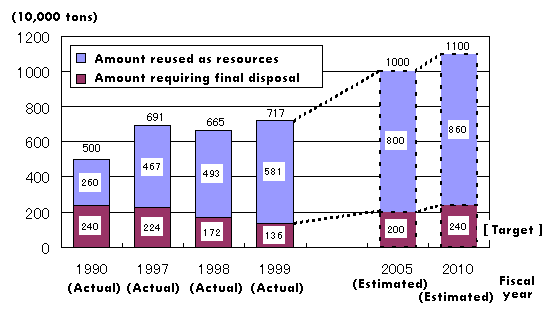
Japanユs electric power companies are committed to controlling the amount of waste they produce that requires final disposal, keeping the level to approximately 2.4 million tons in fiscal 2010, which is the same level as fiscal 1990. To that end, they have adopted systems to control the generation of waste and are working to expand the effective use of waste. |
|||||||||||||||||||||||||||||||||||||||||||||||||||||||||||||||||||||||||||||||||||||||||||||||||||
|
|
|
|||||||||||||||||||||||||||||||||||||||||||||||||||||||||||||||||||||||||||||||||||||||||||||||||||
|
+ |
The electric power companies generated a total of 7.17 million tons of waste in fiscal 1999, an increase of 520,000 tons compared with the previous year. However, they increased by 880,000 tons the amount of waste that was reused as resources, resulting in a 360,000-ton decline in the amount of waste that requires final disposal, to 1.36 million tons. |
|||||||||||||||||||||||||||||||||||||||||||||||||||||||||||||||||||||||||||||||||||||||||||||||||||
|
|
|
|||||||||||||||||||||||||||||||||||||||||||||||||||||||||||||||||||||||||||||||||||||||||||||||||||
|
|
||||||||||||||||||||||||||||||||||||||||||||||||||||||||||||||||||||||||||||||||||||||||||||||||||||
 |
||||||||||||||||||||||||||||||||||||||||||||||||||||||||||||||||||||||||||||||||||||||||||||||||||||
|
|
|
|||||||||||||||||||||||||||||||||||||||||||||||||||||||||||||||||||||||||||||||||||||||||||||||||||
|
4. Management of Chemical Substances |
||||||||||||||||||||||||||||||||||||||||||||||||||||||||||||||||||||||||||||||||||||||||||||||||||||
|
+ |
The Chemical Substances Management Promotion Law was promulgated last year. Beginning next year, the electric power companies will be required to keep track of the amounts of certain designated chemicals that they release into the environment. In preparation for this, the electric power companies have implemented their own surveys on the amounts of certain chemical substances they discharge and the amounts that travel in the environment, as shown below. |
|||||||||||||||||||||||||||||||||||||||||||||||||||||||||||||||||||||||||||||||||||||||||||||||||||
|
||||||||||||||||||||||||||||||||||||||||||||||||||||||||||||||||||||||||||||||||||||||||||||||||||||
|
|
|
|||||||||||||||||||||||||||||||||||||||||||||||||||||||||||||||||||||||||||||||||||||||||||||||||||
|
+ |
The electric power companies are committed to further enhancing their management of chemical substances and improving the precision of their autonomous surveys with the aim of limiting the amount of designated chemicals that they discharge into the environment. |
|||||||||||||||||||||||||||||||||||||||||||||||||||||||||||||||||||||||||||||||||||||||||||||||||||
|
|
|
|||||||||||||||||||||||||||||||||||||||||||||||||||||||||||||||||||||||||||||||||||||||||||||||||||
|
[Reference] |
||||||||||||||||||||||||||||||||||||||||||||||||||||||||||||||||||||||||||||||||||||||||||||||||||||
|
(1) |
The Environmental Action Plan of the Electric Power Industry is included in the Voluntary Action Plan on the Environment of the Japan Federation of Economic Organizations (Keidanren) and is reviewed in conjunction with that plan. |
|||||||||||||||||||||||||||||||||||||||||||||||||||||||||||||||||||||||||||||||||||||||||||||||||||
|
|
|
|||||||||||||||||||||||||||||||||||||||||||||||||||||||||||||||||||||||||||||||||||||||||||||||||||
|
(2) |
According to the Japanese governmentユs Outline for Promotion of Efforts to Prevent Global Warming, a governmental council must check the action plans formulated by industry. Accordingly the Environmental Action Plan of the Electric Power Industry is checked annually by the council. |
|||||||||||||||||||||||||||||||||||||||||||||||||||||||||||||||||||||||||||||||||||||||||||||||||||